Tag: Featured
Neurofeedback – Holistic Healing
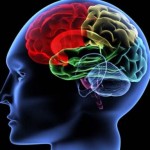
The astonishing scientific breakthrough of learning to direct your own brainwave activity through neurofeedback or brain biofeedback is no less than a miracle in its own right. The human brain can repair itself to an extent where it can restore to health conditions as severe as migraines, depression, anxiety disorders, epilepsy, autism spectrum disorder, ADHD, traumatic brain injury, post concussive syndrome, insomnia, Parkinson’s disease, stroke, rapid cycling bipolar disorder, alcoholism, eating disorders and much more. Neurofeedback is used to retrain the mind and to fix problem behaviors and mend brain waves that cause such and similar signs and symptoms.
Neurofeedback is a completely non-invasive, safe and harmless procedure. A therapist attaches electrodes to a patient’s scalp, which are held in place by a water-soluble gel. These electrodes conduct the current coming from the patient’s brain into an EEG device, which will transmit this information onto a computer screen. No input goes into the brain; the machine simply reads the electrical energy coming from the brain.
The Miracle of Neurofeedback: Unlike medicines, there are virtually no significant side-effects to the procedure. Some patients have reported feeling a bit tired after a neurofeedback session. Body language expert and author of, ‘The Productivity Epiphany’, Vincent Harris, reports that he just felt tired after his first session, but that he was back to normal after taking a nap. Positive results from neurofeedback therapy have been demonstrated in numerous case studies. These results are often long-lasting because neurofeedback changes the way the brain works. In the case of ADHD, for example, several studies have found that 8 out of 10 or 80% of those with ADD or ADHD when treated with neurofeedback therapy are able to leave the infuriating symptoms behind for many years, only after having undergone 30 to 40 sessions. Clinical psychologist, Dr Claire Albright, in her book, ‘Transforming Your Life with Brain Biofeedback’, writes that young children and adults can fall in love with the experience of neurofeedback therapy after their first couple of minutes of neurofeedback training for the simple reason that it is as enjoyable as it is effective. A number of computer -based “neurofeedback” software are targeted at children who are “attention challenged.” CyberLearning and Imagine Neuro Solutions sell competitive systems for improving attention, while Posit, Scientific Learning (SCIL), and Wild Devine, have developed training systems for “mental sharpness”, dyslexia, and over-all emotional well-being. Such neurofeedback software teach the brain the skill of self-regulation. CyberLearning’s Smart BrainGames system is built on NASA technology that used video games and neurofeedback to train pilots to stay alert during long flights and calm during emergencies.
Neurofeedback and Stress: In order to reduce feelings of stress it is necessary to change the way our brain responds to stress. If one’s brain is over-sensitive or reactive to stress it will have difficulty “winding” down after a taxing day. In a sense, stressed brains have difficulty in recovering from stressful events. Neurofeedback directly addresses this imbalance by training the brain to enter particular “neural” states which are conducive to relaxation and recovery. When we close our eyes, our brain tends to produce alpha waves. It is essentially a recovery stage where the brain is recharging its energy. When we open our eyes, the alpha waves diminish, which is called alpha blocking. However, people who are stressed, nervous, fearful and anxious about the future, often fail to enter this recovery stage. In essence, their brains cannot recharge, which over a prolonged period of time, may lead to exhaustion and eventually to burn-out.
Neurofeedback for Peak Performance: Neurofeedback is also used for performance enhancement. The essence of neurofeedback training is learning the links between physical behavior or internal attitudes, and quality of brain functioning through use of feedback of EEG parameters. The experience gained this way allows more intentional managing of mind operation and further and efficient allocation of its resources to meet specific needs. The purpose is greater usage of the potential of one’s own mind, in order to act more effectively, to obtain more achievements, and to improve the quality of life. Results depend on the type of training and the quality of equipment employed. The most frequently listed benefits are improved concentration, improved attention, better decision- making, reduced number of errors, shorter response time, enhanced creativity, better memory, accelerated learning, augmented immunity to stress, increased productivity ,lowered susceptibility to “burning out”, quicker and deeper relaxation, better mind/body integration, enhanced well-being, and reduced anxiety. Alive by Somatic Visions gives us a collection of fun and engaging software game-like-exercises and tools designed to help build skills that will improve mental and physical performance. Alive, Biofeedback coaching for Wild Divine uses biofeedback technology which has been proven effective in helping people achieve better mental agility and performance besides reducing stress in physically and emotionally demanding situations.
Significance of Brain Training in Youth and Teens

The youth and the teens require special mention while discussing about Brain Training, because learning mostly deals with this age group. It has been proved that children and youngsters are more responsive to the brain training methods. Physiologically also, this is the phase of highest development of the brain faculties, and the time for schooling and college education too.
Another significance of considering this age group is the fact that the learning disorders are seen commonly in this age group, and the majority of them begin in childhood. ADHD and ADD are the most common of the learning disorders. These disorders typically begin in early childhood and can progress well in to adult life too. Considering the fact that the attentiveness and mental concentration are the most affected aspects in such disorders, it totally disrupts the education and many of such patients find it quite tough to deal with the normal education process.
The treatments for patients with such disorders are divided into 2 categories: medications and non-medical therapy. The medical therapy mainly involves the use of medications which are classified as brain stimulants. It might seem extremely illogical to use a brain stimulant in a patient who is already suffering from intense restlessness and hyperactivity, but these medications are aimed at calming the restlessness. Non-stimulants are also used in the treatment of such disorders.
- The crucial aspect of using these stimulant medications is that the majority of them are known to create unwanted side effects.
- Ritalin which is used for treatment of both ADHD and ADD has been linked to a variety of side effects like disturbances in vision, disturbed sleep, loss of appetite, nausea, tics, severe palpitations, cardiac arrhythmias, hypertension etc.
- Another significant point to be noted is that the effect of such medications on one patient may be entirely different from that on the other, making it all the more complex and difficult to ascertain the right dosage during treatment.
The second part of the treatment of these disorders is the non-medical therapy. This involves psychological counseling, emotional training and learning of social and behavioral skills. Since this does not involve the use of any medications and does not have any negative side effects, parents need to pay more attention to this aspect of treatment.
- It has been proved through research that just 5 weeks of brain training therapy with a working memory program reduced the symptoms of inattention and attention deficit in children suffering from ADHD.
- This is certainly good news and a far better choice when compared to the medications which cannot be considered entirely safe.
With the use of such brain training therapy, children with learning disorders have been found to improve with regard to their education too. The brain training helps them focus better, and hence they assimilate information in an enhanced manner, making them earn better grades and do well at school. Improved focus, better memory and good grades are things which every child can benefit from, irrespective of the presence or absence of any learning disorder.
- Relaxing Rhythms (previously known as Healing Rhythms), Luminosity, Cognifit, Inner Tube 3 etc are some of the brain training programs presented by the Wild Divine Company.
- These brain training programs are designed to inculcate the habit of relaxation in children, teenagers and young adults.
- Moreover these programs skillfully blend learning, relaxation, brain training and fun together, making it an exciting experience.
Do Adults Need Brain Training?

Many people seem to voice similar doubts- do normal adults really need any brain training? Well, instead of answering this question right away, allow me to ask you another question. Do normal adults need physical exercise? I guess that my counter question might have cleared the initial doubts lingering in your minds. Brain training is to the mind, what physical exercise is to the body.
Brain training need not be looked upon as an exclusive device to cope with learning disorders. In addition to helping people overcome their learning disability, brain training games can prove to be an excellent tool in developing your inherent power of the mind. Nature has gifted humans with a highly intelligent brain, which possesses multiple skills. The fact of the matter is that, despite being gifted with numerous mental skills and abilities, very few of us actually put all these skills in to routine use.
Brain training can be a fine and refined way to sharpen the mental acuity and ability in people belonging to all age groups, which certainly includes normal adults too. The doubts and misgivings developing in the minds of the general population, with regard to brain training can probably be traced to the term ‘training’. It is likely that the term ‘training’ elicits a picture of something being taught or instructed. People tend to view brain training as a procedure of teaching something to a person who is lacking in knowledge regarding the same.
Well, brain training is in no way concerned with teaching something anew. It deals with the development and polishing of the skills, which a person already is in possession of. Brain training merely helps in uncovering of the mental skills which were hitherto lying concealed, deep within the realms of the sub-conscious.
Multiple benefits of Brain training:
- Brain training in adults can help in improving memory.
- Increased ability to concentrate, enhancement of mental clarity, improved visual reasoning, better attention span, better verbal and nonverbal reasoning skills and better and improved quality of sleep are some of the added benefits of brain training in adults.
- Brain training has been proved to slow down the aging process, which indirectly hints that it can help you stay younger for a longer period of time.
- Brain training has been proved to improve the circulation of blood to the brain, which consequently helps in improved overall functioning of the brain, increased alertness and better energy levels.
- Considering all the above listed benefits in totality, it can be safely stated that brain training can help any normal adult to improve the quality and duration of life, with special mention of improved performances in college, office or business.
- Overall improvement in all the above mentioned arenas of brain function can definitely steer the individual on to the path of success, promotions and progress in career.
Brain training games and software:
- There are numerous brain training games and soft wares being launched in the market.
- Wild Divine Company has developed certain brain training games and soft wares targeted at the young adults in the age group of 25-55 years.
- Relaxing Rhythms (previously known as Healing Rhythms), Luminosity, Cognifit, and Posit Science are some of the adult learning programs launched by this company.
- Both the games and the learning soft wares are designed to provide fun and excitement while learning, making it an enjoyable experience.
Brain Train Games

Our brain is one part of our body that can be constantly improved upon. “Brain Training” means exactly what it sounds like; training the brain, that is using different methods to find ways to increase and improve your brain’s functions. Ever grudged people for their mental abilities and wanted to be as “smart” as them? Well, now there’s a way for you to actually improve upon and enhance your brain activity and get ”smarter”.
New studies indicate that the best way to achieve a new level of “smartness” is through improved memory and thinking. The way to go about achieving this is through the help of certain games that are designed in such a way as to help prevent cognitive decline and to build upon your memory and thinking skills. There is a huge variety of games to choose from and the price of these self-help games are not as high as you would expect them to be. The various varieties of games available include games that focus on skills such as short term memory, multi-tasking and attention span. By following the instructions given in the game being played, an individual can improve upon things such as hand-to-eye coordination and response time. An improvement in these quarters naturally means an improvement in the overall functioning of the brain.
The fundamental function of most of the games available is to provide the user with a string of benefits such as sharper thinking and clearer focus, increased problem solving skills and faster brain processing speed; which means that by merely playing some specially designed games, an individual can profit from improved brain health and functioning. The best part is there is nothing complicated about most of these games. On the contrary, they are quite easy to understand and extremely user-friendly.
Ranging from logic puzzles to games that help you keep your attention focused, these brain training games cover a range of diverse brain activities and can prove to be helpful in quite a number of quarters. If you’re a student, your concentration levels and memory will experience an improvement, if you’re an individual working at a job, you’ll find yourself doing more work in less time, and even if you’re just a sit-at-home wife, you’ll see yourself cutting vegetables with far better precision and hand-eye coordination than ever before! These examples are merely to demonstrate the fact that the games are not specifically designed for certain kinds of people but that they can be used by almost anyone and everyone. Of course a certain basic level of computer-literacy is required since the games mostly come in the form of software that can be installed from CDs or are played online.
In the past few years, the world has seen amplification in the use of these games. The main reasons for this increase being the progress in research related to brain training games and the fact that most individuals have seen positive results in themselves after using the games. People start to discover that after the advent of these games they have increased self confidence and productivity and their overall progress in life advances.
It is important to note, however, that the games do not only cater to people wishing to enhance their mental potential but also to people with a range of disorders. These could include learning disabilities such as ADHD and dyslexia and also mental retardation and brain injury. Hence it can be seen that brain-training is a concept with a large number of benefits.
Application of Cognitive Behavioral Therapy in Learned Insomnia

Humans all over the world have the same anatomy, and general physical make-up, but what is that particular quality that sets each person apart from the other? Well, the behavior, character and the mental make-up are the only decisive factors that can define a person. CBT or Cognitive behavioral therapy is a branch of medical science, which involves specific techniques aimed at helping people to correct and modulate their behavioral responses towards different situations.
Behavior and emotions play an important role in deciding many important aspects in a person’s life, and one of them is sleep. Sleep comes naturally to the majority of the population, but there are quite a lot of people who have serious issues with falling asleep or getting a good quality of sleep. Insomnia is becoming increasingly common, with almost 1 in every 8 American, being affected by this sleep disorder.
Chronic loss of sleep or prolonged periods of inadequate sleep are absolutely deleterious to health. The human body is programmed to rejuvenate, repair and restore itself during sleep. Sleep is intricately connected to various vital physiological hormones and chemicals in the body and any disruption or disturbance in the normal sleep cycle can have an exceptionally profound effect on the entire system.
People who suffer from Insomnia have been found to have few or all of the following symptoms as listed below:
- Difficulty in concentrating
- Inattentiveness
- Lack of energy
- Irritability
- Decreased work efficiency
- Lack of libido
- Hormonal imbalances
- Obesity or weight issues
- Digestive disorders
- Irregular bowel movements or constipation
- Hallucinations
- Anxiety
- Dizziness
- Vertigo
- Depression
The causes of Insomnia can differ from one individual to another, but the underlying common thread amongst all the cases, seems to be the lack of proper sleep hygiene. Sleep hygiene is nothing but healthy habits that promote natural and normal sleep. Having a fixed daily time table for sleep, avoiding stimulants before bedtime, sleeping in a relaxing and comfortable atmosphere etc are all attributes of good sleep hygiene.
Learned insomnia is a type of sleep disorder, where the behavioral response of the person is programmed to create sleep disturbance. This type of insomnia is directly related to stress and anxiety, and the inability to sleep may have developed as a behavioral response to the prolonged stress and negative conditioning. The patients who suffer from this kind of insomnia usually have a typical pattern of thinking. They tend to worry and fret regarding the lack of sleep, and may have certain fixed notions regarding the relation of sleep to the functioning of the body.
Cognitive behavioral therapy involves the use of psychotherapy techniques to help the people suffering from Learned Insomnia to modify their behavioral response towards the stress and correct the negative conditioning of thoughts. The patient makes use of the cognitive behavioral therapy and learns not to worry and fear about the sleeplessness. It helps the patients to understand that their body might not need as much sleep as they perceive to be. The patient begins to understand that he or she may be misinterpreting the phase of light sleep as a period of waking. Cognitive behavioral therapy encourages the positive programming of the mind. CBT techniques may also involve the enforcement of good sleep hygiene.
Cognitive behavioral therapy can be extremely useful to patients suffering from Insomnia. It acts directly on the cause of the insomnia and does not attempt to temporarily control the sleeplessness like the sedative medications. Moreover it can either be used singly or in combination with medications. Such combination therapy is commonly utilized in patients who are in dire need of a rapid relief or in obstinate cases, where the primary cycle of sleeplessness needs to be broken.